



24th February 2026BY Nihang Law
Conditional on Sale of Property in Ontario: The SC Escape Clause Explained
Buying your next home is exciting. That is, until you hear “conditional on sale of property.” Now you’re juggling two transactions at once: selling your current home and buying the next one. If you live in Ontario and you’ve seen “SC” or “SCE” online, or someone has mentioned “SC escape clause,” it can feel like the rules are hidden.
Here’s the good news: this is a normal contract structure in Ontario, and it can work for both buyers and sellers when the wording is clear, and everyone follows the steps. This guide explains the escape clause mechanism in plain English, shows a step-by-step process, and flags common mistakes that create stress (or litigation).
Disclaimer: This article is general information, not legal advice. Real estate contracts are fact-specific and wording-driven. Get advice before you sign or waive conditions.
Quick Start: Pick your situation
I’m a buyer and I need to sell my current home first (I want a condition on sale of property).
- Start with “Conditional on sale of property: what it really means” to understand what must happen for your deal to become firm.
- Then go to “What this means for buyers” (mini-checklist to reduce panic when timelines tighten).
- Finish with “Step-by-step process: from conditional offer to a firm deal (Buyer 1)” so you don’t miss deadlines or notice steps.
I’m a seller and I received an offer conditional on the buyer selling their home (I’m worried about being tied up).
- Start with “Why sellers ask for an escape clause” to see what you’re protecting against.
- Then go to “What this means for sellers” (what must be crystal clear in the wording + why strict notice compliance matters).
- Finish with “Common mistakes” to avoid the errors that most often lead to disputes.
My listing says SC/SCE and I don’t know what that means.
- Start with “What is SC escape clause?” for plain-English definitions.
- Then go to “How the escape clause works” so you understand what “right of first refusal” actually looks like in real life.
I’m the conditional buyer and I just got notice under an escape clause (or my agent says it could happen).
- Start with “How the escape clause works” (so you understand what the notice is doing).
- Then go immediately to “Step-by-step process (Buyer 1)” (what to check the same day—deadlines, delivery method, and what “firming up” requires in your APS).
- After that, review “Common mistakes” (especially waiving too quickly and missing notice details).
Reminder: This is where a quick contract review can be valuable because the timeline and notice method are clause-specific.
I’m a backup buyer, and the property is SC or SCE. Can I still offer?
- Start with “What is SC escape clause?” to understand what SC/SCE signals.
- Then go to “Step-by-step process (Buyer 2)” to understand how backup offers usually work (often conditional on release of the first deal).
- Finish with FAQ: “Can I still make an offer on an SC/SCE property?”
I’m worried about my deposit in a conditional-on-sale deal.
- Start with “Conditional on sale of property: what it really means” (how conditions typically end).
- Then go to FAQ: “Do I lose my deposit if my home doesn’t sell?”
- Also review “Common mistakes” (misunderstanding what triggers release vs. default).
My sale and purchase closing dates don’t line up (I may have a gap).
- Start with “What this means for buyers” (planning for pressure + timing gaps).
- Then go to “Common mistakes” (closing coordination is a big one).
- Finish with FAQ for practical expectations.
I’m buying or selling a condo, and the conditions involve a status certificate (plus a sale-of-property condition).
- Start with “Conditional vs. firm” under “Conditional on sale of property: what it really means.”
- Then go to “Step-by-step process (Buyer 1)” and focus on “book due diligence early” (because a short escape-clause notice window can squeeze review time).
This is commercial real estate (or a business deal) and the condition/escape clause feels more complex.
- Start with FAQ: “How does this work in commercial real estate?”
- Then go to “Step-by-step process” and treat it like a due diligence timeline you need to manage (financing, leases, environmental, zoning, corporate approvals—depending on the deal).
What is the SC Escape Clause? What’s the Difference Between SC and SCE?
SC (Sold Conditionally) means the property is under a conditional agreement, but no firm commitment has been made yet. The conditions could include things like financing approval or the sale of the buyer’s current home. It does not allow the seller to entertain other offers while conditions are being met.
SCE (Sold Conditionally with Escape Clause) takes this a step further. It includes an escape clause (also known as a right of first refusal), allowing the seller to keep marketing the property and accept a better offer if one comes in during the conditional period. If a competing offer is received, the seller serves notice to the first buyer, giving them a short window (typically 48-72 hours) to firm up the deal or release it, allowing the seller to proceed with Buyer 2.
To summarize, the SC escape clause means there is a conditional deal in place, but the seller has the right to accept another offer if the first buyer cannot fulfill the conditions within a defined notice period.
Important: SC and SCE are market labels and don’t define your rights. Those come from the specific terms in the Agreement of Purchase and Sale (APS) and any schedules. In Ontario, many transactions use standardized forms (such as OREA forms), but the final wording of your signed agreement is what counts.
Conditional on Sale of Property: What it Really Means
A “sale of buyer’s property” condition means the buyer’s obligation to purchase is conditional on the buyer selling their current home within a set time. Ontario’s real estate regulator notes that buyers may consider making an offer conditional on key factors, including the sale of their existing home.
While conditions vary, the core idea is consistent: the deal stays conditional until the buyer either (a) satisfies the condition and gives the required written notice, or (b) the condition expires (or is waived or extended), depending on the agreement.
Most agreements also address what happens if the condition is not met by the deadline. In many cases, the agreement ends and the deposit is dealt with as the contract specifies (often returned if the condition isn’t fulfilled—depending on the clause). A commonly used “sale of buyer’s property” condition is drafted this way in practice (with notice and a defined deadline).
How the Escape Clause Works
An escape clause (also called a “right of first refusal” or “bump clause”) is a negotiated “pressure valve” for the seller when the first deal could remain conditional for a longer period—often because the buyer needs time to sell.
A common structure looks like this:
- Buyer 1 and the seller sign an accepted offer that is conditional on Buyer 1 selling their home (and sometimes other conditions like financing or inspection).
- The agreement includes an escape clause allowing the seller to keep marketing the property and to accept a competing offer that meets the seller’s requirements (Buyer 2).
- If the seller receives a competing offer they want to proceed with, the seller serves Buyer 1 a notice exactly as required by the agreement.
- Buyer 1 then has the notice window set in the contract to either firm up (by waiving/fulfilling conditions properly) or step aside so the seller can proceed with Buyer 2.
Chart 1: How a Conditional-on-Sale Offer with an Escape Clause Works
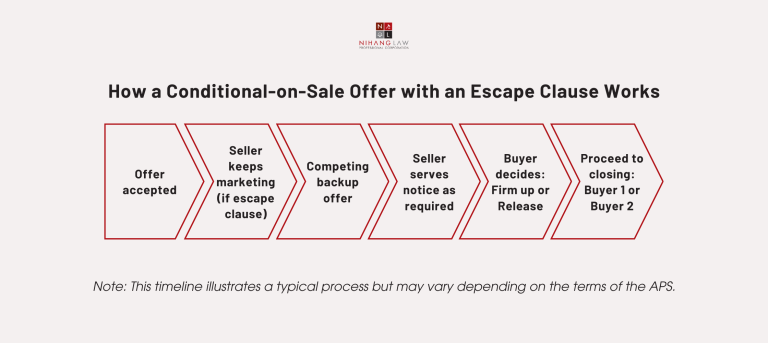
A quick example (realistic, not legal advice): You offer to buy a home, conditional on selling your condo. The seller accepts, but the agreement says they can keep showing the home. Two weeks later, another buyer submits a strong offer. The seller gives you notice under the escape clause. You now have a short time—whatever your agreement says—to either firm up (because your condo is sold or because you’re comfortable waiving) or release the deal.
Key point: an escape clause is not a free-for-all. It only works the way the contract says it works. Notice method, timing, and what counts as “firming up” are all clause-specific.
What This Means for Buyers
The main risk for Buyer 1 is being unprepared when notice arrives. The way to reduce stress is to plan as if you might need to firm up quickly.
Chart 2: Buyer Checklist When an Escape Clause Might Be Triggered
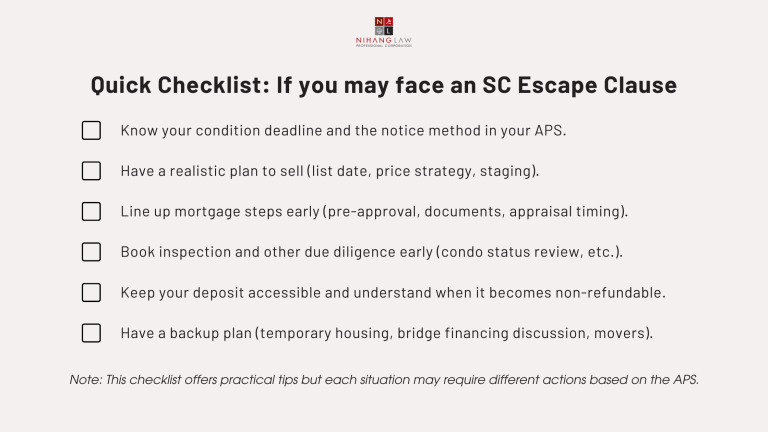
One practical caution: Time pressure can push buyers to waive protections they actually need. If you’re in a competing-offer situation, balance speed with due diligence.
What This Means for Sellers
For sellers, the escape clause can preserve flexibility, but only if it’s drafted clearly and followed precisely.
Seller priorities usually include:
- Clarity: the agreement should state the conditional period, what triggers the escape clause, how notice must be delivered, and what Buyer 1 must do to firm up.
- Paper trail: keep clear records of the competing offer, notice delivery, and Buyer 1’s response.
Sellers also reduce risk by making the sale-of-buyer-property condition more specific (for example, requiring the buyer to take reasonable steps to list and market their home during the conditional period). Vague drafting is where sellers often feel “stuck.”
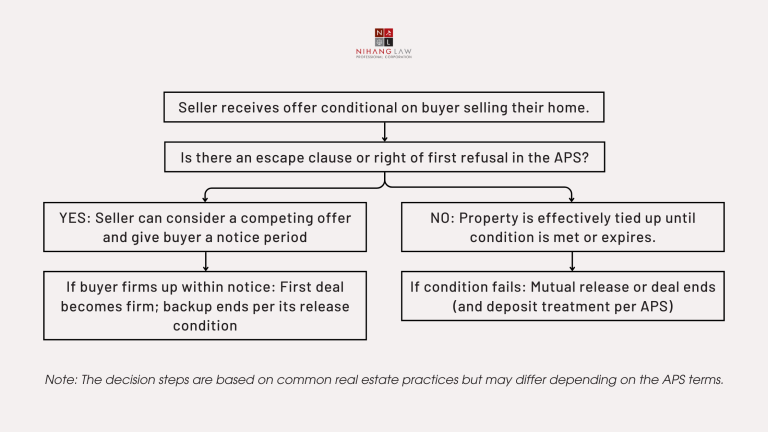
Chart 3: Seller Decision Map for a Sale-of-Buyer-Property Condition
A Quick Note on Good Faith (Why Behaviour Matters)
Canadian contract law recognizes a duty of honest performance and an organizing principle of good faith. In plain English: parties generally should not lie or knowingly mislead each other about matters tied to performing the contract. In a conditional sale, that’s one reason clear communication and accurate notice steps matter.
Step-by-step Process: From Conditional Offer to a Firm Deal
For Buyer 1:
- Before you offer: choose only the conditions you truly need.
- Right after acceptance: list your property (if not listed), start showings, and schedule inspections.
- Track deadlines: condition deadline and any lender/condo timelines that affect closing.
- If notice is served: review the contract the same day; decide whether you can firm up safely; deliver the required waiver/fulfillment notice exactly as written if you proceed.
For the seller:
- Decide if you will accept a sale-of-buyer-property condition at all.
- If you accept it, ensure the escape clause is clear and the backup offer is structured to avoid conflict (often conditional on release of Buyer 1’s agreement).
- Serve notice exactly as written and keep proof of delivery.
- Confirm outcomes: either Buyer 1 firms up, or you complete release steps and proceed with Buyer 2.
For Buyer 2 (backup buyer):
- Expect timing uncertainty until Buyer 1 responds.
- Protect yourself with clear conditions (typically tied to release of Buyer 1’s agreement).
- Be ready to move quickly if Buyer 1 releases.
Common Mistakes (and How to Avoid Them)
- Treating SC/SCE labels like legal facts instead of reading the actual clause.
- Missing the notice details (wrong email, no proof of delivery, unclear timing).
- Overly long or vague sale-of-property conditions with no practical safeguards.
- Waiving conditions under pressure without completing key due diligence.
- Poor coordination of closing dates between the sale and the purchase.
- No paper trail: when disputes happen, timestamps and written records matter.
Frequently Asked Questions
Can a seller accept another offer after accepting mine?
Only if the contract allows it. Without an escape clause, the seller is typically committed until conditions are dealt with or the parties release each other.
What does “SC escape clause” mean?
Usually, sold conditionally, with a clause allowing the seller to trigger a right-of-first-refusal decision window if a competing offer is accepted.
Can I still make an offer on an SC/SCE property?
Sometimes. If the seller is still accepting offers under the first agreement. Your agent can confirm the listing instructions and timing.
How fast do I have to firm up?
The notice window is set by the contract. Don’t guess; check the clause.
Do I lose my deposit if my home doesn’t sell?
Deposit treatment depends on contract wording and how the deal ends. Many sale-of-property clauses address return of the deposit if the condition is not fulfilled by the deadline.
Does an escape clause guarantee the seller can walk away?
No. The seller must comply with the clause exactly. Disputes often come down to notice, timing, and whether the buyer properly firmed up.
How does this work in commercial real estate?
Commercial deals often use broader due diligence conditions and customized drafting. The same principle applies: the contract controls the notice steps and the consequences.
In Summary
A condition on sale of property can help buyers move without overextending. An escape clause can help sellers avoid being tied up for too long. The best outcomes come from clear drafting, realistic timelines, and disciplined follow-through on notice and waiver steps.
Reminder: This article is general information, not legal advice.
How Nihang Law Can Help
Nihang Law Professional Corporation helps buyers, sellers, investors, and small businesses across Ontario review and negotiate Agreements of Purchase and Sale, draft clear conditions and escape clauses, coordinate closing logistics, and resolve disputes when deals go sideways.
Disclaimer: This article is for informational purposes only and serves as a general guide to understanding the SC escape clause in real estate transactions in Ontario. Every situation is unique, and the specifics of each Agreement of Purchase and Sale (APS) can vary. It is highly recommended that you seek legal professional advice to fully understand your rights and obligations before entering into any real estate transaction. Always consult with a qualified real estate lawyer to ensure that your agreement is properly drafted and to address any specific concerns related to your circumstances.
Sources & References
RECO – Buyer’s Checklist: https://www.reco.on.ca/consumers/information-for-buyers/buyers-checklist
RECO – Competing Offers: https://www.reco.on.ca/consumers/information-for-buyers/competing-offers
RECO – Deposits: https://www.reco.on.ca/news/legal-corner-deposits-play-an-important-role-in-a-real-estate-transaction
OREA – Standard Forms & Clauses: https://www.orea.com/standard-forms-clauses
Supreme Court of Canada – Bhasin v. Hrynew (2014): https://decisions.scc-csc.ca/scc-csc/scc-csc/en/item/14438/index.do
Supreme Court of Canada – C.M. Callow Inc. v. Zollinger (2020): https://decisions.scc-csc.ca/scc-csc/scc-csc/en/item/18613/index.do
Thank you for reading this post, don't forget to subscribe!